
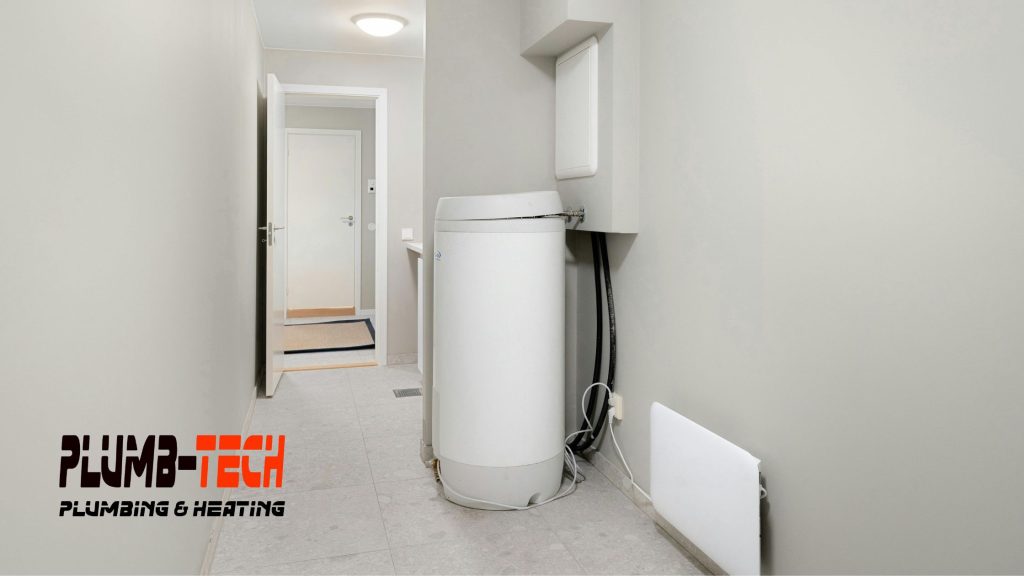
When winter settles into the Northwest, your home’s plumbing system quietly steps into overdrive, especially your hot water tank. For homeowners from Eastern Washington through Western Montana, frigid temperatures, icy winds, and fluctuating weather patterns can take a real toll on your water heater’s performance and longevity. The good news? With a bit of proactive winter-proofing, you can protect your system, improve efficiency, and avoid unexpected cold showers when you need hot water most.
Below are the essential steps every homeowner should take to keep their hot water tank performing reliably all winter long.
1. Insulate Your Hot Water Tank and Pipes
One of the simplest and most effective ways to protect your hot water tank in the winter is insulation. When temperatures drop, uninsulated tanks and pipes lose heat faster, forcing your system to work harder and use more energy.
Homeowners in Spokane’s colder neighborhoods, Missoula’s outer valleys, or Helena’s higher elevations often see significant performance improvements by insulating both the tank and the first 6–8 feet of accessible hot and cold water piping.
Benefits include:
-
Reduced heat loss
-
Faster hot water delivery
-
Lower energy bills
-
Added protection against freezing
This is one of the top water heater winter tips homeowners should prioritize.
2. Flush Out Sediment Buildup Before Freezing Temperatures Hit
Cold climates typically mean harder-working water heaters and harder water can lead to faster sediment accumulation. Mineral-rich water and fluctuating water hardness, which is common in Eastern Washington and Western Montana, can create heavy sediment buildup that settles at the bottom of the tank.
Sediment reduces efficiency, causes popping noises, and increases the risk of premature tank failure. Flushing the tank before deep winter ensures your water heater can perform at its best when demand is highest.
3. Check the Anode Rod to Prevent Winter Corrosion
Your water heater’s anode rod protects the tank from rust, and winter is when corrosion tends to accelerate. If the rod is depleted, the tank becomes vulnerable especially in older homes.
A simple inspection and replacement, if needed, can add years to the life of your water heater.
4. Test the Pressure Relief Valve
Pressure can fluctuate more dramatically in winter, especially when groundwater temperatures plunge. A stuck or faulty pressure relief valve is a safety risk and should be checked before the coldest months arrive. This step is often overlooked, but it’s crucial for homeowners aiming to avoid emergency plumbing calls in the middle of a storm.
5. Consider a Water Heater Blanket for Older Tanks
If you have an older tank, particularly those installed in garages, basements, or unheated utility rooms, an insulated water heater blanket can dramatically improve efficiency. In winter plumbing, this is one of the simplest ways to reduce energy use while keeping water temperatures stable.
6. Schedule a Professional Winter Tune-Up
Even a well-maintained hot water tank deserves a seasonal checkup. A professional winter inspection includes:
-
Full system cleaning
-
Efficiency testing
-
Leak detection
-
Component checks
-
Safety inspection
For homes in Missoula, Spokane, and Helena, where temps often drop below zero, this peace of mind goes a long way.
If you want to avoid surprise failures and keep your home running comfortably, this is the most reliable step you can take.
Final Thoughts
Winter-proofing your hot water tank doesn’t have to be complicated, but it does need to be intentional. Whether you’re navigating Spokane winter plumbing, managing Helena cold-weather plumbing, or looking for the best water heater winter tips Montana homeowners rely on, a few proactive steps can protect your comfort, and your budget, all season long.
And if you’d like help preparing your water heater for winter, the experts at Plumb-Tech are here with refined, reliable service designed to keep your home running smoothly, no matter how cold it gets.